
Finding the right financial partner feels a lot like dating except the stakes are your entire business, and there’s no app for it. If you’re trying to figure out how to choose an accountant for your small business, you’re already ahead of the curve. Most owners wait until tax season is breathing down their necks before scrambling for help. Not you. Let’s do this properly.
I’ve broken down the whole process into a practical, no-fluff checklist so you can hire with confidence and stop losing sleep over spreadsheets.
- Decide what you actually need first, bookkeeping, tax filing, or strategic advice.
- Understand the CPA vs accountant difference before you start searching.
- Ask the right questions before signing anything.
- Use a checklist to compare candidates side by side.
- A great accountant pays for themselves and doesn’t just go with the cheapest option.
Step 1: Get Clear on What You Actually Need
Before you start interviewing anyone, spend ten minutes asking yourself a brutally honest question: what does my business actually need right now?
Start by figuring out what tasks you need an accountant for. Is it daily bookkeeping, or do you need tax advice and filing? That distinction alone will help you decide whether you need a bookkeeper, a non-certified accountant, or a Certified Public Accountant (CPA).
Think of it this way. If your finances are relatively tidy and you mainly need someone to track income and expenses, you’re probably hiring a bookkeeper. If you need someone strategizing your tax position and projecting cash flow for the next year, that’s a different conversation entirely.
Accountants perform tasks like preparing financial statements, identifying tax deductions, filing tax returns, and managing payroll. Bookkeepers, on the other hand, manage day-to-day tasks while an accounting professional offers financial planning.
Knowing the difference upfront saves you from hiring a Formula 1 driver when all you need is someone to parallel park.
Step 2: Understand the CPA vs Accountant Difference
This one trips people up constantly, so let’s settle it quickly.
While all CPAs are accountants, not all accountants are CPAs.
That’s not just wordplay, it has real implications for your business.
Per federal statute, certified public accountants are legally allowed to do several things for clients that non-licensed accountants cannot do.
For example, CPAs can represent clients in front of the IRS and state tax authorities during a tax audit, whereas a general accountant cannot.
Here’s the practical breakdown on the CPA vs accountant difference:
Choosing between a CPA and an accountant depends on your business’s specific needs. If your small business requires audited financial statements or faces complex tax issues, a CPA is essential; their expertise ensures your business stays compliant and avoids penalties. CPAs can also offer in-depth financial analysis and advice, helping with long-term planning. For routine bookkeeping and financial tasks, a general accountant may suffice, providing valuable services without the added cost of CPA rates.
And on the cost side?
According to data from Indeed, a CPA’s average base salary is $92,879 per year, while an accountant’s is $65,806.
For a small business on a budget, that gap matters.
Many companies use accountants early on, and then bring in a CPA as they grow. It’s a smart, phased approach that lets you scale your financial support as needed.
Step 3: Know Where to Find Good Candidates
Word of mouth is still king here. Ask other small business owners in your network who they use and more importantly whether they’d recommend them. Beyond that, one of the smartest ways to find an accountant is by combining verified professional directories, referrals, credential checks, interviews, and technology evaluations instead of relying only on Google search results.
Also look for someone with relevant experience.
Find someone who specializes in small businesses and is familiar with the tax breaks and other opportunities available to a company of your size.
An accountant who’s never worked with a business like yours is essentially learning on your dime. And that’s not a great deal for anyone.
Many industries have regulatory compliance issues and costs, and an accountant that already knows your industry can be a real lifesaver.
Step 4: Your Accountant Checklist Questions to Ask Before You Hire
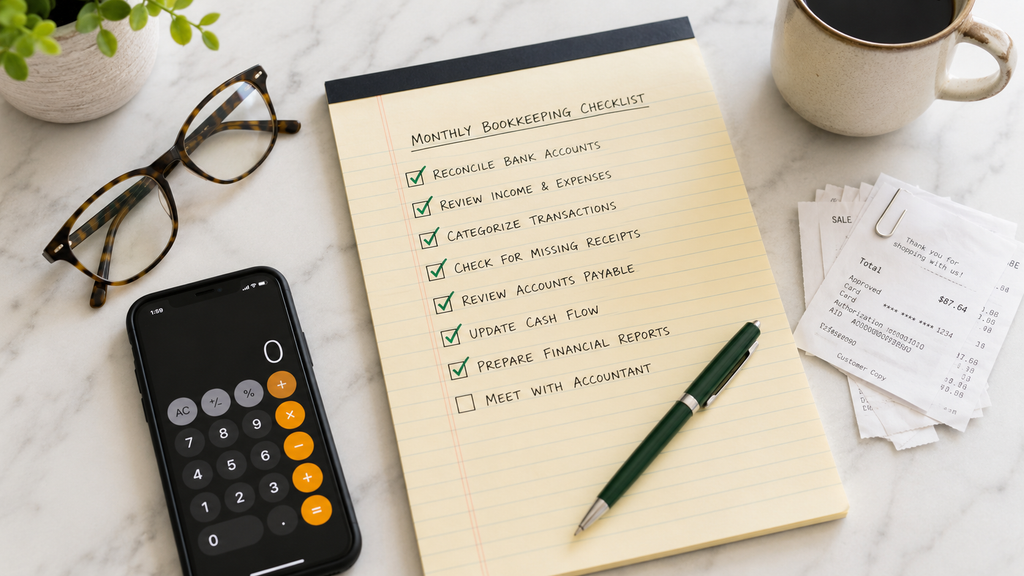
Here’s where your accountant checklist for businesses gets real. Think of the interview as a job interview in reverse because you’re the one making the hire. Don’t skip this step just because someone came highly recommended.
These are the key questions to ask an accountant before you commit:
What services do you offer?
Not all accountants provide the same services. Some specialize in tax preparation while others offer bookkeeping, payroll, financial planning, and business consulting. Understanding their full range of services ensures there are no surprises and helps you determine whether they can meet your short and long-term goals.
Do you have experience in my industry?
An accountant with industry-specific experience is a big advantage. Ask for examples of similar clients they’ve worked with and how they helped those businesses grow or stay compliant.
What’s your pricing model?
Understanding the accountant’s pricing model is crucial for budgeting. Ask: do you charge hourly, weekly, monthly, or a flat rate? Are there additional fees for tax filing or consulting?
How do you communicate with clients?
Ask how they usually prefer to communicate and how often.
You don’t want to be the business owner sending frantic emails in March and getting a response in April.
Can you provide references?
More experience is always a good thing, especially if an accountant has worked with comparably sized businesses in your industry. Be sure to ask for references from similar clients.
Step 5: Don’t Hire Based on Price Alone
I get it, budgets are tight when you’re running a small business. But this is one area where going bargain-hunting can really backfire.
Businesses should never hire accountants based only on pricing. Industry experience, software expertise, communication quality, and long-term scalability matter far more for operational success and financial decision-making.
There’s also a very real risk to consider.
The IRS warns that reporting negligence or filing errors can trigger penalties worth 20% of underpaid tax amounts, showing why choosing the right accountant directly impacts business compliance and financial stability.
That “affordable” hire suddenly looks a lot less affordable when penalties land in your inbox.
A CPA answers to a state board that can suspend or revoke the license and carries professional standards and typically malpractice coverage. With an unlicensed preparer, your recourse if something goes wrong is a negative review.
That asymmetry is easy to overlook right up until it isn’t.
Step 6: Think Long-Term, Not Just Tax Season
The best accountant relationships I’ve seen aren’t transactional. They’re partnerships.
Once you hire an accountant you trust, you’ll probably want to build on that trust and make a professional relationship that lasts a lifetime or longer. So it’s essential to hire someone skilled at many or all levels of small business accountancy who can become part of your team for the long term.
A truly great accountant doesn’t just show up in April.
A good accountant can help you with tax savings, managing everyday financial operations, and providing valuable advice in growing your business.
That year-round strategic input is where the real value lives and it’s worth budgeting for.
FAQ: How to Choose an Accountant for Your Small Business
Q: When should I hire a small business bookkeeper vs. a CPA?
Hire a bookkeeper when you need help with day-to-day transaction recording and organization. Bring in a CPA when your finances grow more complex, think audited statements, IRS representation, or major growth phases.
A bookkeeper handles day-to-day transaction recording, while a CPA interprets those records to help shape business strategy.
Q: What are the most important questions to ask an accountant during an interview?
Focus on services offered, industry experience, pricing structure, communication style, and client references.
Your accountant can be a great resource for making sense of your financial data, complying with tax laws, and planning for growth but to make the most of this valuable relationship, you need to ask the right questions.
Q: How do I know if I really need a CPA for my small business?
While not every small business requires a CPA, those that do often gain significant advantages in accuracy and compliance.
If you’re scaling quickly, have complex tax situations, or think investors or lenders might scrutinize your books down the road, a CPA is well worth the investment.
Ready to Find Your Financial Partner?
Knowing how to choose an accountant for your small business doesn’t have to feel overwhelming. Start with your needs, understand the CPA vs accountant difference, use the questions above as your personal accountant checklist for businesses, and resist the urge to just go with whoever is cheapest. Your future self, the one not panicking during tax season will thank you.
Ready to take the next step? Schedule a free consultation with Gina today. Share this post with a fellow small business owner who’s still doing their own taxes by hand. (We don’t judge. Much.)