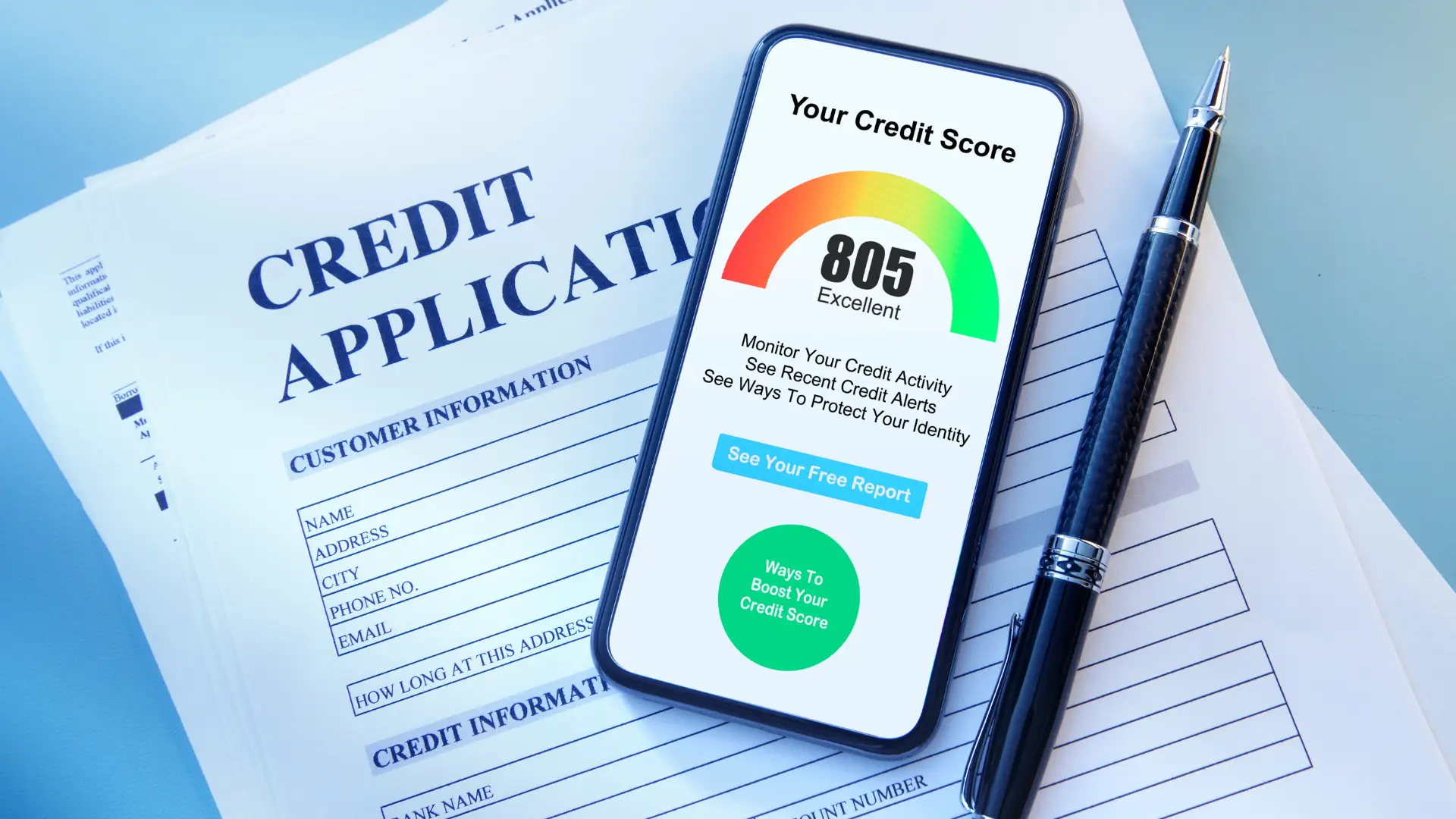
Mark your calendars: October 16 is Get Smart About Credit Day — the one day of the year when your credit score officially becomes the star of the show.
Before you run for cover, don’t worry — this isn’t about guilt-tripping you over past purchases or that one store credit card you opened for 20% off in 2016.
This is about empowering you to take control of your financial story. Think of it as your annual “financial checkup” — no needles, no awkward waiting room music, just you, your numbers, and some smart moves.
In this article, we’ll walk through how to pull your free credit reports from AnnualCreditReport.com, how to fix common credit report errors, simple ways to boost your score, and how to monitor your credit like a pro.
Disclaimer: Gina Webb and her team aren’t tax or credit law experts, so always consult your tax professional for personalized advice. We’re here to educate, empower, and add a little fun to the financial side of life.
Table of Contents
- What Is “Get Smart About Credit Day”?
- How to Use AnnualCreditReport.com (Without Getting Scammed)
- Credit Report Errors That Can Wreck Your Score
- Smart Moves to Improve Your Credit Score
- How to Monitor Your Credit Without Losing Sleep
- Real-Life Scenarios (a.k.a. “Credit Plot Twists”)
- Frequently Asked Questions
1. What Is “Get Smart About Credit Day”?
Every third Thursday in October, “Get Smart About Credit Day” rolls around to remind us that financial literacy is power.
The American Bankers Association started this initiative to help people — especially young adults — understand how credit really works.
In other words, it’s your friendly annual nudge to:
- Peek behind the curtain of your credit history
- Learn how lenders see you
- And (bonus!) fix what’s holding your score back
So yes, it’s kind of like cleaning your financial closet. You might find some skeletons… but also some wins you forgot about.
2. How to Use AnnualCreditReport.com (Without Getting Scammed)
There’s only one official website to get your free credit reports: AnnualCreditReport.com.
Ignore all the “free credit report” imposters that sound too good to be true — because they usually are.
Here’s how it works:
- You’re entitled to one free credit report from each bureau (Experian, Equifax, and TransUnion) every year.
- You can request all three at once or spread them out every four months for year-round monitoring.
- You’ll answer some security questions (yes, they’re weirdly specific — “Which of these addresses have you lived at since 2012?”).
- Download your reports, save them, and prepare to do some detective work.
Pro tip:
Grab your favorite beverage before reviewing — it’s not exactly a thriller, but it is one of the most important reads of your year.
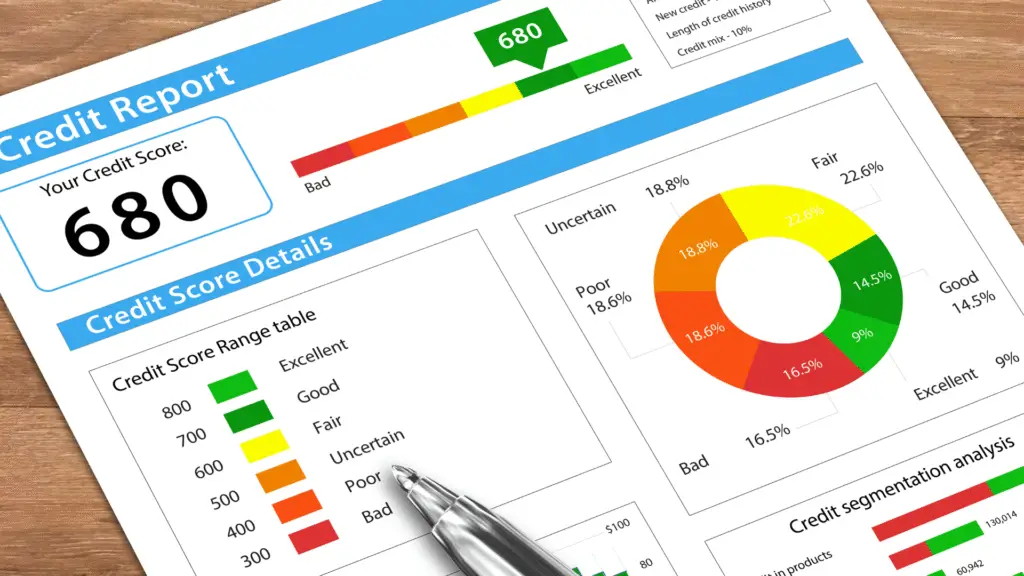
3. Credit Report Errors That Can Wreck Your Score
Even the most responsible people can find surprises on their reports — and not the good kind.
Common credit report “plot twists” include:
- Accounts that don’t belong to you (aka “the identity thief strikes again”)
- Wrong balances or outdated information
- Late payments that weren’t actually late
- Duplicate accounts that make you look overextended
- Old debts that should’ve disappeared years ago
- Hard inquiries from lenders you’ve never heard of
Here’s the fix:
If something looks off, file a dispute directly with the credit bureau.
They’re legally required to investigate and respond within 30 days.
Attach documentation, screenshots, or any supporting evidence to back up your claim.
Think of it like editing your own Wikipedia page — only this one actually affects your financial future.
4. Smart Moves to Improve Your Credit Score
Ready to play the long game? Here’s how to really get smart about credit.
Pay On Time (Always)
Late payments can haunt your score like last Halloween’s skeleton decor.
Set reminders, automate payments, or use your phone’s calendar alerts. No shame in using tech to stay on track.
Keep Your Balances Low
Your credit utilization ratio (how much of your available credit you’re using) should ideally stay under 30%.
Translation: if you’ve got a $1,000 limit, try to keep the balance under $300.
Don’t Open Every Shiny New Card
Every time you apply for new credit, your score takes a temporary dip. Unless there’s a solid reason — like refinancing debt or getting rewards you’ll actually use — it’s okay to pass.
Keep Old Accounts Open
Old credit history = financial street cred. Even if you don’t use that card much, keeping it open helps show stability.
Mix It Up
A healthy mix of credit types (loans, cards, mortgage) shows lenders you can handle different responsibilities — kind of like juggling, but less dangerous.
5. How to Monitor Your Credit Without Losing Sleep
Credit monitoring doesn’t have to be complicated or expensive. Here’s how to stay on top of it like a pro:
- Rotate pulling your reports (one every four months)
- Set up free alerts from your bank or card provider
- Keep an eye on unusual inquiries or new accounts
- If you suspect identity theft, freeze or lock your credit immediately
Remember:
Checking your own credit is a soft inquiry, meaning it won’t affect your score. So snoop away — it’s your data!

6. Real-Life Scenarios (a.k.a. “Credit Plot Twists”)
Maria’s “Oops, That Wasn’t Me” Moment:
Maria found an auto loan on her credit report — except she’s never owned a car. Turns out, someone else’s info got mixed into her file. She disputed it, and poof, it was gone — her score jumped 20 points!
John’s Balancing Act:
John’s credit card balance hovered near its limit. He paid it down to 25% utilization and watched his score slowly climb. Sometimes “less is more” really pays off.
Samantha’s Identity Crisis:
Samantha spotted a new credit card on her report she didn’t open. She froze her credit, filed a police report, and disputed it immediately. A few months later, her report was clean again. Lesson: monitoring = power.
7. Frequently Asked Questions
Q: Will checking my credit report hurt my score?
A: Nope! Pulling your report via AnnualCreditReport.com is a soft inquiry. You can check it as often as you like without penalty.
Q: How often should I review my report?
A: At least once a year, but if you rotate reports, you’ll be checking every four months — free and smart!
Q: What if the credit bureau doesn’t fix an error?
A: Follow up in writing and escalate to the Consumer Financial Protection Bureau (CFPB). Keep your paper trail.
Q: Do I get my credit score for free too?
A: AnnualCreditReport.com gives you reports, not scores — but your bank, credit card, or apps like Credit Karma may provide it for free.
8. Your Next Smart Move
Being financially savvy doesn’t have to be intimidating — it’s about taking small, consistent steps toward clarity and control.
And if your credit or accounting system feels more chaotic than confident, it might be time to bring in a pro.
Schedule a free consultation with Gina Webb to get your finances (and sanity) back in order.
Gina provides streamlined accounting systems that take the stress out of cash flow so your business can keep thriving — without the late nights, spreadsheets, and caffeine-fueled panic attacks.
Book your free consultation today.
Because getting smart about credit is great — but staying smart about your money? That’s where Gina comes in.